Does philanthropy look different in Western Canada?
There are regional differences to philanthropy in Canada – including within Western Canada. Here are some, from the perspectives of people who work in the sector in the West.

How strategic philanthropy is closing the gender health gap
Purpose-driven wealth leaders – many of them women – are realizing there is a long-standing women’s health discrepancy and trying to narrow the gap.

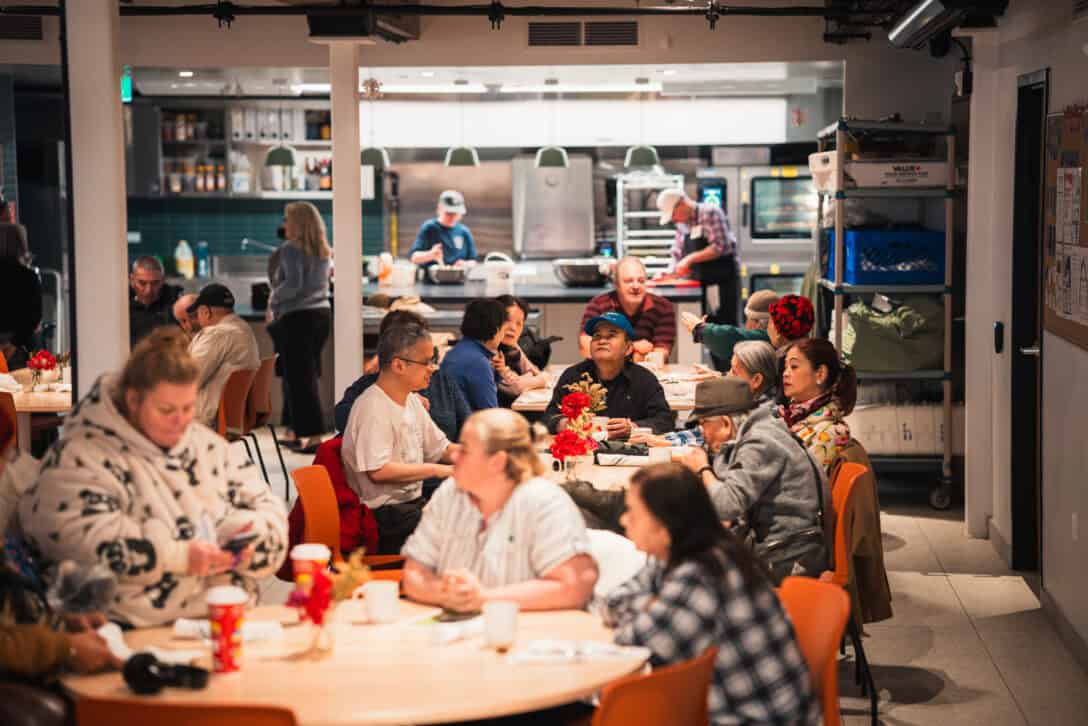
How Canada learned to live with hunger
With nearly 10 million people in Canada living in food-insecure households, the political silence surrounding it all is perplexing and unacceptable, Right To Food’s Jasmine Ramze Rezaee argues.
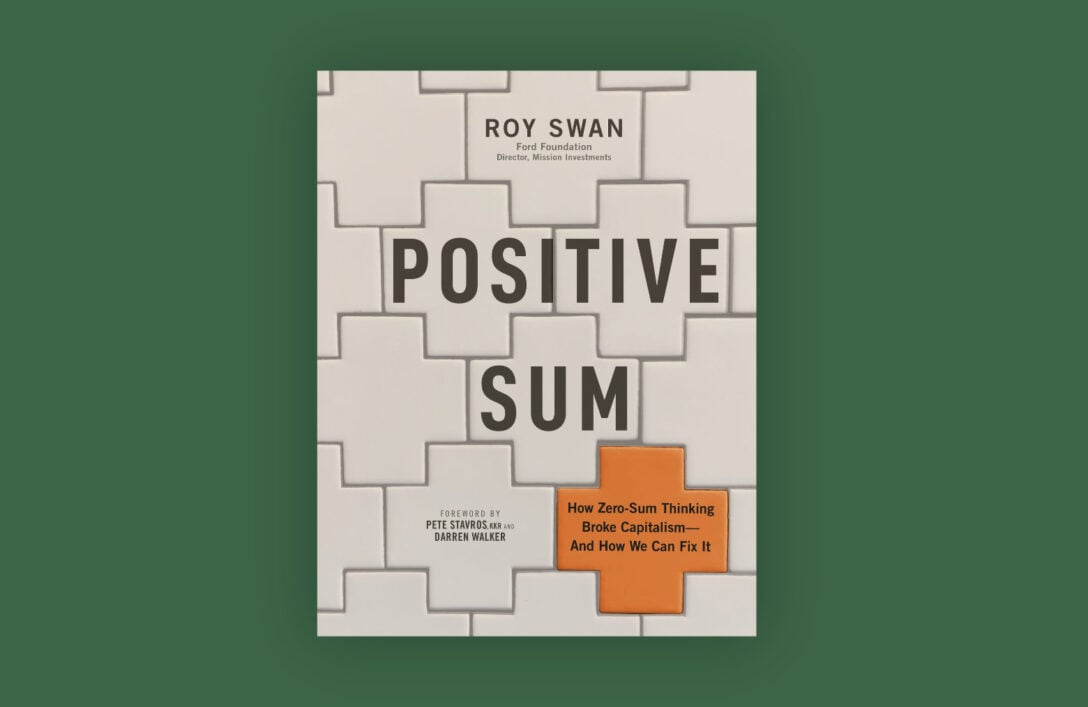
How zero-sum thinking broke capitalism – and how we can fix it
Author Roy Swan believes it is possible to shape a “positive sum” economic system “rooted in democracy, morality and reason” that values people as well as profit, reviewer Hilary Pearson writes.
Featured
Analysis
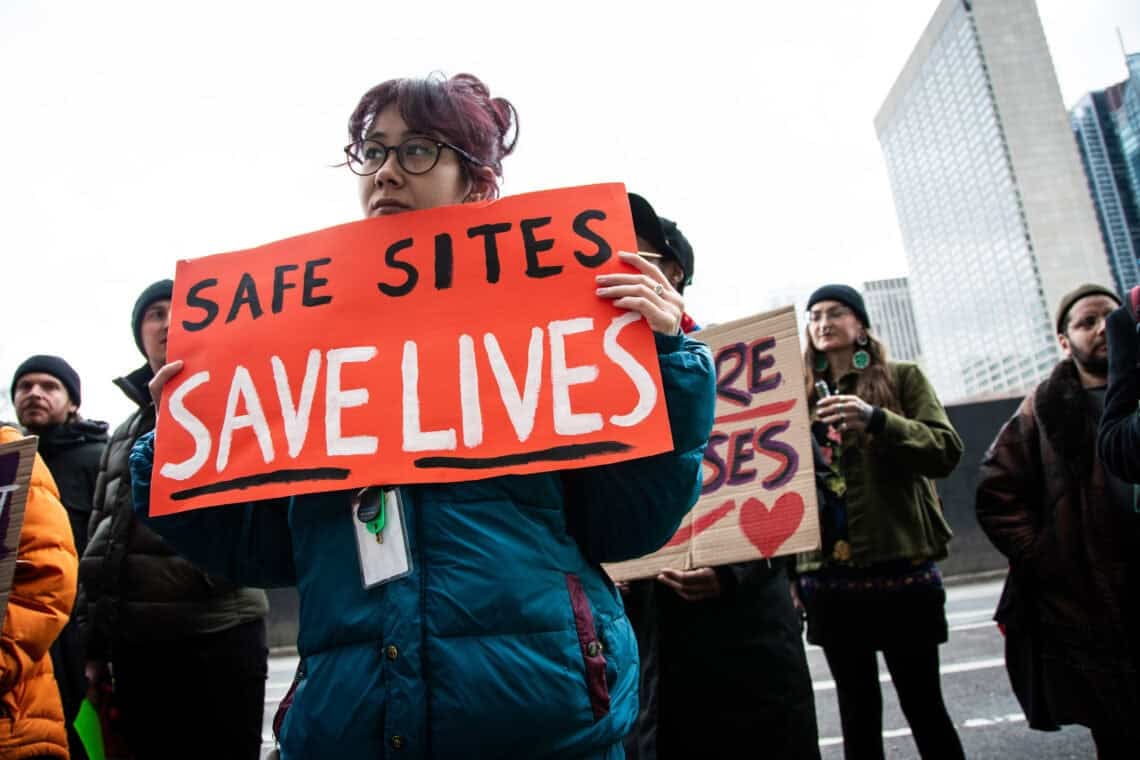
Under pressure: The growing challenges facing non-profits
An anti-poverty narrative is fuelling mounting criticism, public scrutiny, and political pressure on non-profits doing front-line work, leading some to question whether they have the support to continue.
How the support sector went from community care to just a ‘business’
Across the support sector, many workers are struggling to provide critical support to vulnerable populations amidst circumstances that they have less and less control over.

Philanthropy and Funding
It’s time for a broader, more nuanced conversation around DAFs
The ongoing DAF debate can and should be a segue to deeper conversations about the sector as a whole, and the much bigger concerns it faces, Darren Pries-Klassen argues.

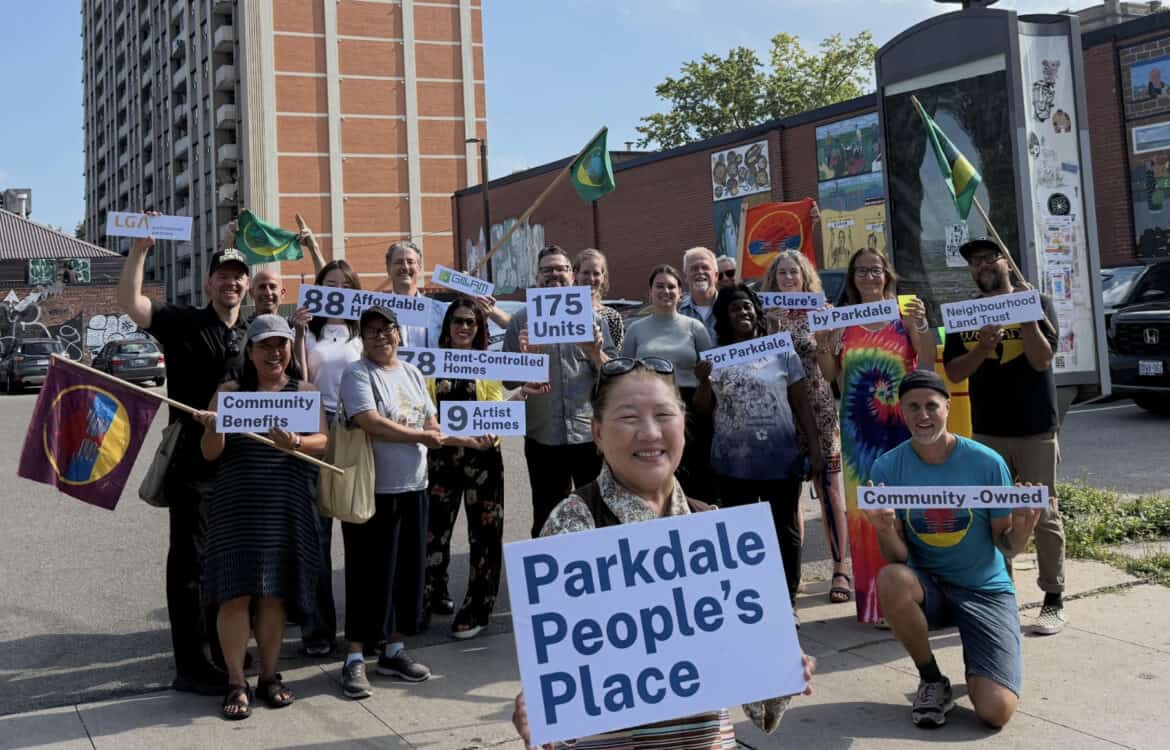
The transformative potential of community land trusts
Community land trusts tackle the immediate pressures of eviction and displacement alongside a broader, long-term vision for social and economic transformation. Philanthropy should take note, the Metcalf Foundation’s Adriana Beemans writes.
Case Studies & Guides
Reclaim your attention through creative action
Andrew Zitcer and Shannon Litzenberger share the belief that our attention is being diminished, and it is not accidental – it is political. They argue that creative practice done with others, like the examples they share here, can cultivate resources for collective action, mutual aid, and the pursuit of social justice.

Anti-colonial by design: CAGP Greater Vancouver’s equity and right relations framework
One organization shares how they are thinking about “equity and right relations” and reshaping their practices to reflect justice, reciprocity, and a deeper understanding of the histories that shape wealth and giving today.

Decolonization and Reconciliation
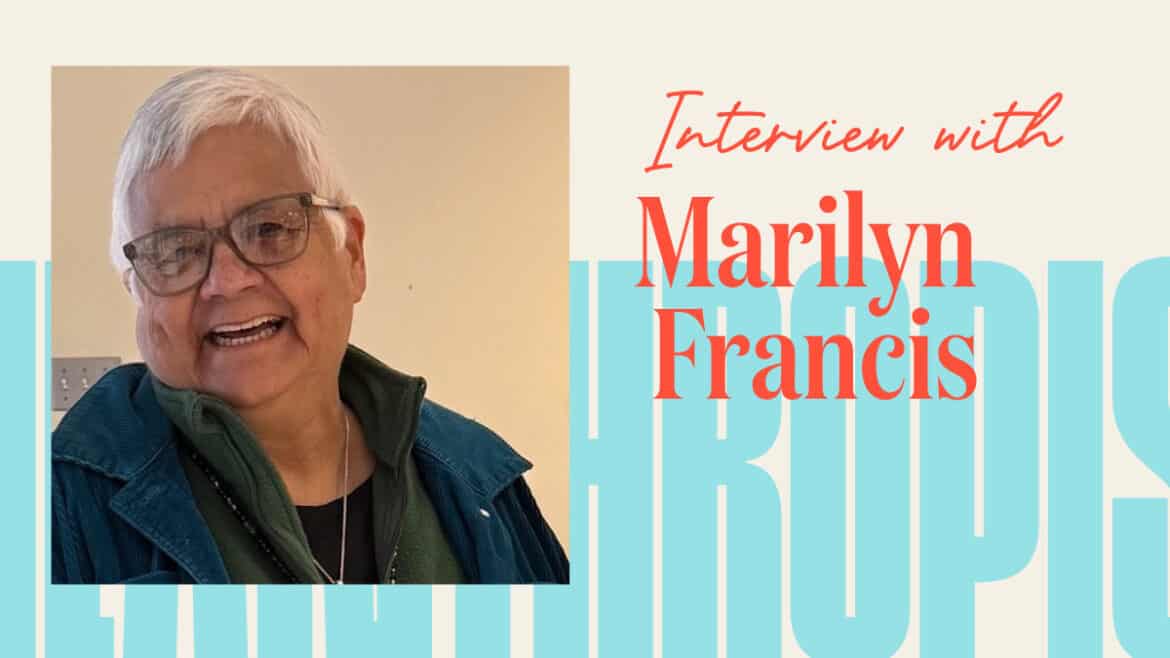
Mi'kmaw educator Marilyn Francis shares her unshakeable faith
This is our first story in a new series that will celebrate those rare individuals, the unsung heroes, who are the heart and soul of their organizations.
An ancient past unearthed by urban construction
This is the first piece from Gabrielle McMann, a writing fellow working with The Philanthropist Journal and The Local in Toronto.

Series on Work in Progress
Volunteerism: In crisis or at a crossroads?
With volunteering in Canada in decline, contributor Yvonne Rodney looks at the data and talks to sector leaders to ponder the way forward. The solution, she writes, includes acknowledging the impact of the pandemic, understanding generational differences, and convincing funders to do more to help organizations.

The decision to step down: Reflections from four foundation leaders
When long-serving leaders leave their roles, what can we learn from them that will help our sector traverse the challenging times ahead?

Building a sense of belonging and connection at work in the hybrid era
With remote and hybrid work the new norm post-pandemic, non-profits are tailoring strategies to ensure that employees feel heard, seen, and valued – and have discovered that there’s no one-size-fits-all approach.

Subscribe
Canadian non-profit sector news, in your inbox
Never miss news and analysis by and for the Canadian non-profit sector
Most Popular




Analysis
Fighting mission and message drift in the age of DEI dissent
Black non-profits have many stories waiting to be told about the impactful work they're doing, Nadia Tchoumi writes. But the resources and capacity required to tell those stories are lacking, compounded by a relationship with the media that has been historically hostile.

Who works at Canadian philanthropic foundations?
A new report offers insight into the people who work for Canadian foundations – which for many is no one at all – and the tension surrounding increasingly formalized workplaces.

A ‘transformative’ victory for democratic accountability
A Supreme Court judgment that allows Democracy Watch to keep pursuing its challenge of an ethics report on Justin Trudeau’s involvement in government decisions related to WE Charity has “enormous” implications, Tim Harper writes.

For kids with special needs, summer camp is out of reach
Writing fellow Gabrielle McMann looks at the impact on kids and families when few camps serve children with developmental disorders or disabilities.

More articles From the Archives
A short history of voluntary sector–government relations in Canada (revisited)
The original version of this story, published in 2007, is one of The Philanthropist Journal’s most popular pieces of all time. In this updated version, Peter Elson and Peyton Carmichael expand on that detailed (and not so short) history.

Charities and the rule against perpetuities
Charitable status is a legally privileged status. The law in numerous ways, ranging from the trivial to the noteworthy, confers legal advantages upon charities. These legal advantages are often misunderstood.
‘We don’t have a word for philanthropy’
What do Indigenous Peoples mean when they talk about Indigenous philanthropy? Miles Morrisseau put this question and others to Indigenous people who are leaders in the philanthropic sector.

Strategies for a caring society
This article was developed from a paper presented at Investigating in the Whole Community: Strategies for a Caring Society, a conference organized by the Trillium
Featured Contributors
-
Sherlyn Assam
Sherlyn Assam is a freelance writer and editor. Her work can be found in Broadview, Future of Good, The Walrus, Xtra, Everything Zoomer, Our Times, Trad Magazine and more.

-
Angela Long
Angela Long is a multi-genre writer and freelance journalist. She holds a BFA in Creative Writing from the University of British Columbia and a Master of Journalism from Toronto Metropolitan University.
-
Yvonne Rodney
Yvonne Rodney is a Toronto author, career consultant, speaker, and non-profit worker with extensive experience in career development. She is the author of Moving On: A Quick Guide for Non-Profit Workers and Military to Civilian Employment: A Career Practitioner’s Guide.

-
Tim Harper
Tim Harper is a Toronto-based writer. He is a former Washington correspondent and national affairs columnist with the Toronto Star.

- All Featured Contributors